|
To contact a reservation agent to assist in your vacation planning, call 877-753-9786. |
![]() ![]() Play It Safe
Ski Safety
Heads Up - Know the Code, It's Your Responsibility 1. Your Responsibility Code Keystone is committed to promoting skier safety. In addition to people using traditional alpine ski equipment, you may be joined on the slopes by snowboarders, telemark skiers or cross-country skiers, skiers with disabilities, skiers with specialized equipment and others. Always show courtesy to others and be aware that there are elements of risk in skiing and snowboarding that common sense and personal awareness can help reduce. Know your ability level and stay within it. Observe “Your Responsibility Code” listed below and share with other skiers the responsibility for a great skiing experience. 1. Always stay in control, and be able to stop or avoid other people or objects. Be advised that Keystone does not mark all potential obstacles or hazards. When marked, poles, flags, fencing, signage, padding or other forms of marking are used to inform the skier/rider of the location of a potential obstacle or hazard. These markers are no guarantee of your safety. It is part of your responsibility under the Your Responsibility Code and the Colorado Ski Safety Act to avoid all obstacles and hazards. 2. Colorado Ski Safety Act. The Colorado legislature, recognizing risks that are inherent in the sport, has passed the Colorado Ski Safety Act which provides inherent risks of the sport and relative responsibilities of the "skier" and the ski area. You must obey the Act. Under the Act, any person using the facilities of a ski area is considered a skier. A summary of the inherent risks is listed below: WARNING
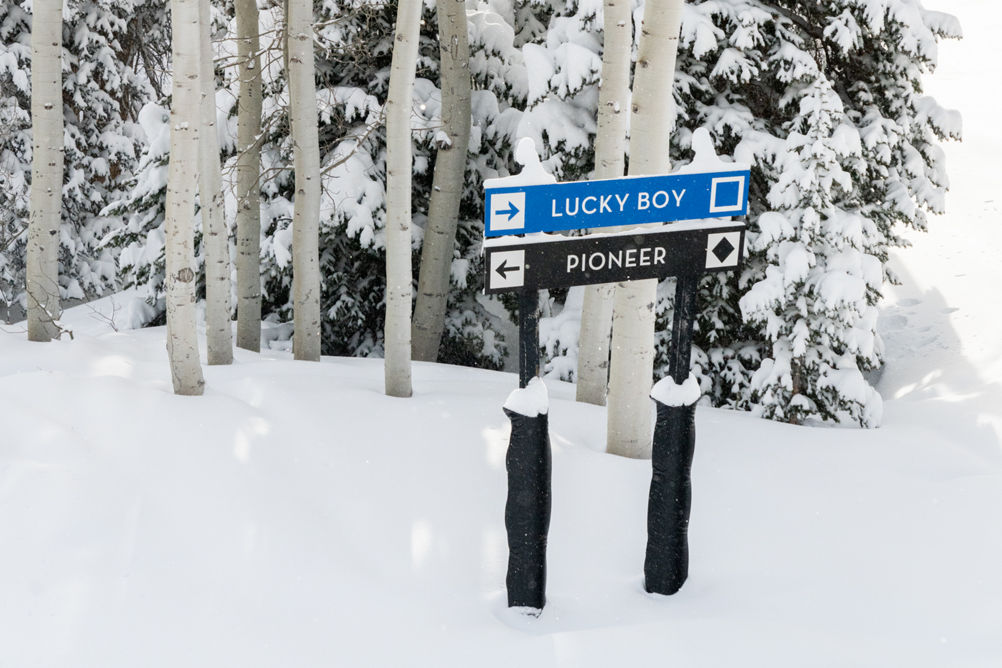
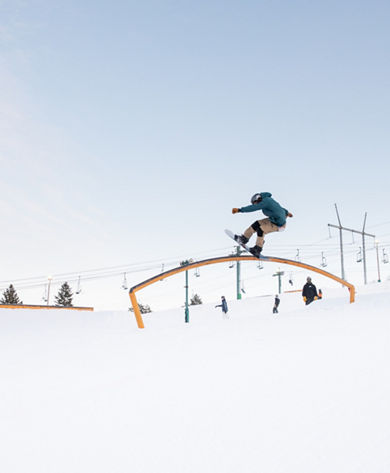
The Ski Safety Act was amended in 2004 to include CLIFFS, EXTREME TERRAIN, JUMPS AND FREESTYLE TERRAIN as inherent dangers and risks of the sport. Skiers and Riders should be advised that a green circle, blue square or black diamond at Keystone is not necessarily the same as a green circle, blue square or black diamond at other resorts. The system is a relative rating of trails at each resort and does not compare trail difficulty between resorts. Skiers and Riders should begin with the easiest terrain and then move up in difficulty as their ability permits in order to understand the relative rating at Keystone. Extreme Terrain contains cliffs, very steep slopes as well as rocks and other hazards. Skiing or boarding Extreme Terrain is for EXPERT EXTREME TERRAIN 3. Freestyle Terrain Areas are designated with an orange oval and may contain jumps, hits, ramps, banks, fun boxes, jibs, rails, half pipes, quarter pipes, snowcross, bump terrain and other constructed or natural terrain features. Prior to using Freestyle Terrain, you are responsible for familiarizing yourself with Freestyle Terrain and obeying all instructions, warnings and signs. Freestyle skills require maintaining control on the ground, and in the air. Use of Freestyle Terrain exposes you to the risk of serious injury or death. Inverted aerials are not recommended. You assume the risk. Freestyle Terrain has designations for size. Start small and work your way up. Designations are relative to this ski area.
MAKE A PLAN. Every time you use Freestyle Terrain, make a plan for each feature you want to use. Your speed, approach and takeoff will directly affect your maneuver and landing. LOOK BEFORE YOU LEAP. You are responsible for inspecting Freestyle Terrain before initial use and throughout the day. The features vary in size and change constantly due to snow conditions, weather, usage, grooming and time of day. Do not jump blindly. Use a spotter when necessary. EASY STYLE IT. Always ride or ski in control and within your ability level. Do not attempt Freestyle Terrain unless you have sufficient ability and experience to do so safely. You control the degree of difficulty you will encounter in using Freestyle Terrain, both on the ground and in the air. RESPECT GETS RESPECT. Respect Freestyle Terrain and others. Only one person on a feature at a time. Wait your turn and call your start. Always clear the landing area quickly. Respect all signs and do not enter Freestyle Terrain or use features when closed. 4. Electronic Devices. Keystone discourages the use of electronic devices – cell phones, music players, or earphones – while skiing and snowboarding, or loading and unloading lifts. 5. Lift Safety. Under Colorado law, you cannot board a lift unless you have sufficient physical dexterity, ability and knowledge to negotiate or to use such lift safely or until you have asked for and received information sufficient to enable you to use the lift safely. You may not use a lift or any ski trail when under the influence of drugs or alcohol. 6. CAUTION – snowcats, snowmobiles and snowmaking may be encountered at any time. 7. Slow Zones. Certain areas (indicated on the map in yellow) are designated as SLOW ZONES. Please observe the posted slow areas by maintaining a speed no faster than the general flow of traffic. Space and speed are especially important in these areas. Fast and aggressive skiing will not be tolerated. 8. Helmet Use. Keystone encourages our guests to educate themselves on the benefits and limitations of winter sports helmets. Regardless of whether or not you choose to wear a helmet, every winter sport participant shares responsibility for his or her safety and for that of others using the ski area facilities. 9. Backcountry Warning. Pursuant to the Colorado Ski Safety Act, the ski area assumes no responsibility for skiers going beyond the ski area boundary. To access the backcountry, use designated gates only. Areas beyond the ski area boundary are not patrolled or maintained. Avalanches, unmarked obstacles and other natural hazards exist. Be aware: the backcountry avalanche hazard may be extreme. Rescue in the backcountry, if available, is the responsibility of the Summit County Sheriff. It will be costly and may take time. 10. High-Altitude Environment. Some visitors may experience symptoms associated with [Resort Name]’s high altitude. Symptoms may include headaches, nausea, loss of appetite, restless sleep, coughing and difficulty in breathing. If symptoms persist or if you have a concern about your health, you should seek medical attention.
Four main points of Smart Style MAKE A PLAN LOOK BEFORE YOU LEAP RESPECT GETS RESPECT Be sure you Know the Code: You're Responsibility Code provides safety tips while on the slopes. Smart Style is a terrain park specific safety program that you should check out before using terrain parks. Each feature can be broken down into 4 zones. Identify these zones and have a plan before using any Freestyle Terrain. Skiing and snowboarding can be enjoyed in many ways. At ski areas you may see people using alpine, snowboard, telemark, cross country and other specialized ski equipment, such as that used by disabled or other skiers. Regardless of how you decide to enjoy the slopes, always show courtesy to others and be aware that there are elements of risk in skiing that common sense and personal awareness can help reduce. Observe the code listed below and share with other skiers the responsibility for a great skiing experience.
Be safety conscious and KNOW THE CODE. IT'S YOUR RESPONSIBILITY. Above 8,000 feet, altitude illness affects 20 percent to 30 percent of visitors from low elevations to some degree. The first thing most people notice is a shortness of breath, especially when exercising. In addition, the heart is likely to beat faster and one may develop nausea, unusual tiredness, headache, or have difficulty sleeping. Those with one or more of these symptoms may have Acute Mountain Sickness (AMS). If the symptoms do not subside shortly, a doctor should be called. Upon arrival in this area, take it easy for the first day or two. Drink two or three times more water or fluid than usual. Limit alcohol consumption for two or three days and minimize caffeine intake. Limit salty foods and increase carbohydrate consumption. Most importantly, listen to your body. Do not push the limits of your physical capabilities. Tip - Gear to bring for winter trips to Keystone Temperatures range from 50 degrees Fahrenheit during the day to well below 0 degrees Fahrenheit at night. Avoid wearing cotton clothing in winter because it absorbs moisture and doesn't insulate when it's wet. Click here for more tips on what to bring. Keystone Resort's premier skier and snowboarder education and enforcement program is designed to communicate, educate and enforce the basics of responsible skiing and snowboarding to all mountain users. The Mountain Watch staff are easily identified on the mountain with their bright yellow jackets, sporting the "Heads Up" patch and "Yellow Jackets" insignia on the back, reminding all mountain users to be safe and of the "Responsibility Code." |